There Are No Yesterdays
“When you’re traveling, you are what you are right there and then. People don’t have your past to hold against you. No yesterdays on the road.”
William Least Heat-Moon, Blue Highways
If this story inspires your own journey to Sardinia, you’ll find my guides to La Maddalena and Sardegna waiting for you, with favorite places to stay, where to eat, and the experiences I’d recommend after spending a month there.
I. There Are No Yesterdays
Nine months is a long time to stay on an island without really seeing it.
When we moved to Mallorca the previous autumn, we arrived with two suitcases, a three year old, and a conviction that we were building a different kind of life. We had sold nearly everything we owned, left behind careers, certainty, and the familiar rhythms of home. Mallorca wasn’t a vacation. It was the place we had chosen to begin again.
Then life did what it usually does.
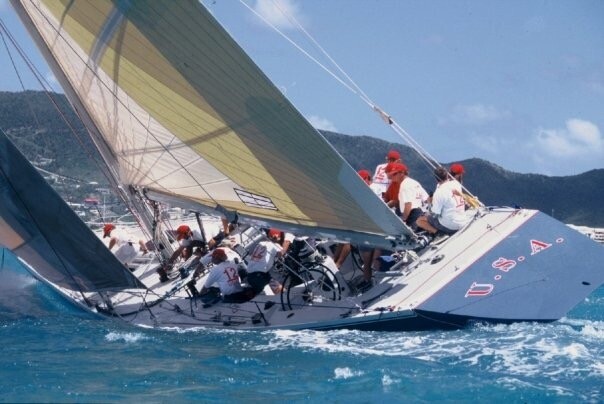
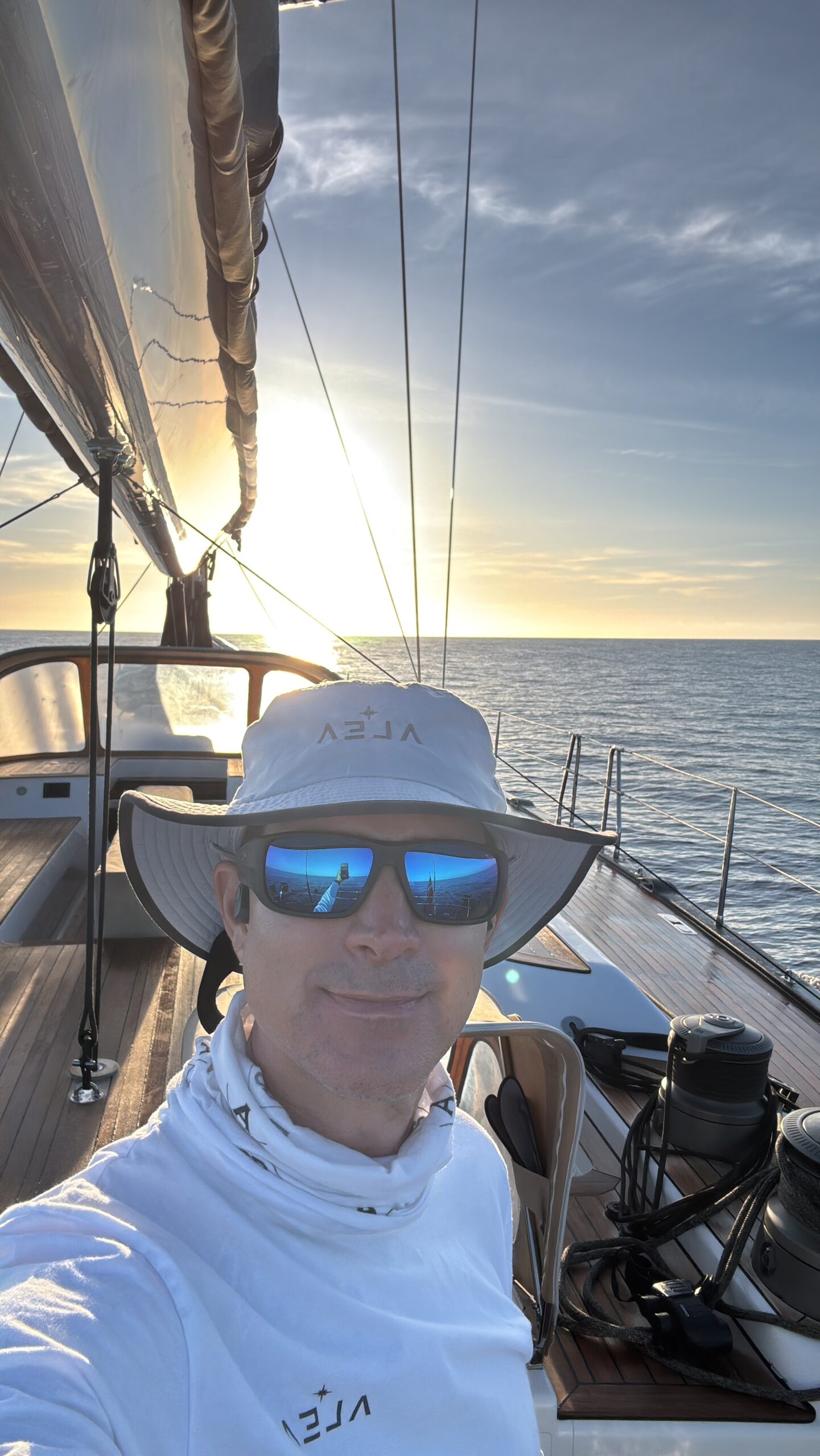
A WhatsApp message turned into a job. Six day workweeks settled into routine, and before long my world had narrowed to the bike ride between our apartment and the marina. Every morning I pedaled through Palma, unlocked the gate to the shipyard, and disappeared into another day of sanding, rebuilding, rigging, troubleshooting, and preparing one of the world’s great sailing yachts for another Mediterranean season.
It was good work. Honest work. The sort of work I have always enjoyed.
But it was still work.
By early June I realized I hadn’t left Mallorca since we arrived. Friends would visit and somehow managed to see more of the island in a long weekend than I had in nine months. They drove the mountain roads, found hidden coves, wandered stone villages, and sent photographs while I was replacing hardware or chasing electrical faults somewhere deep inside a boat.
I had moved to one of the most beautiful islands in the Mediterranean and somehow reduced it to a commute.
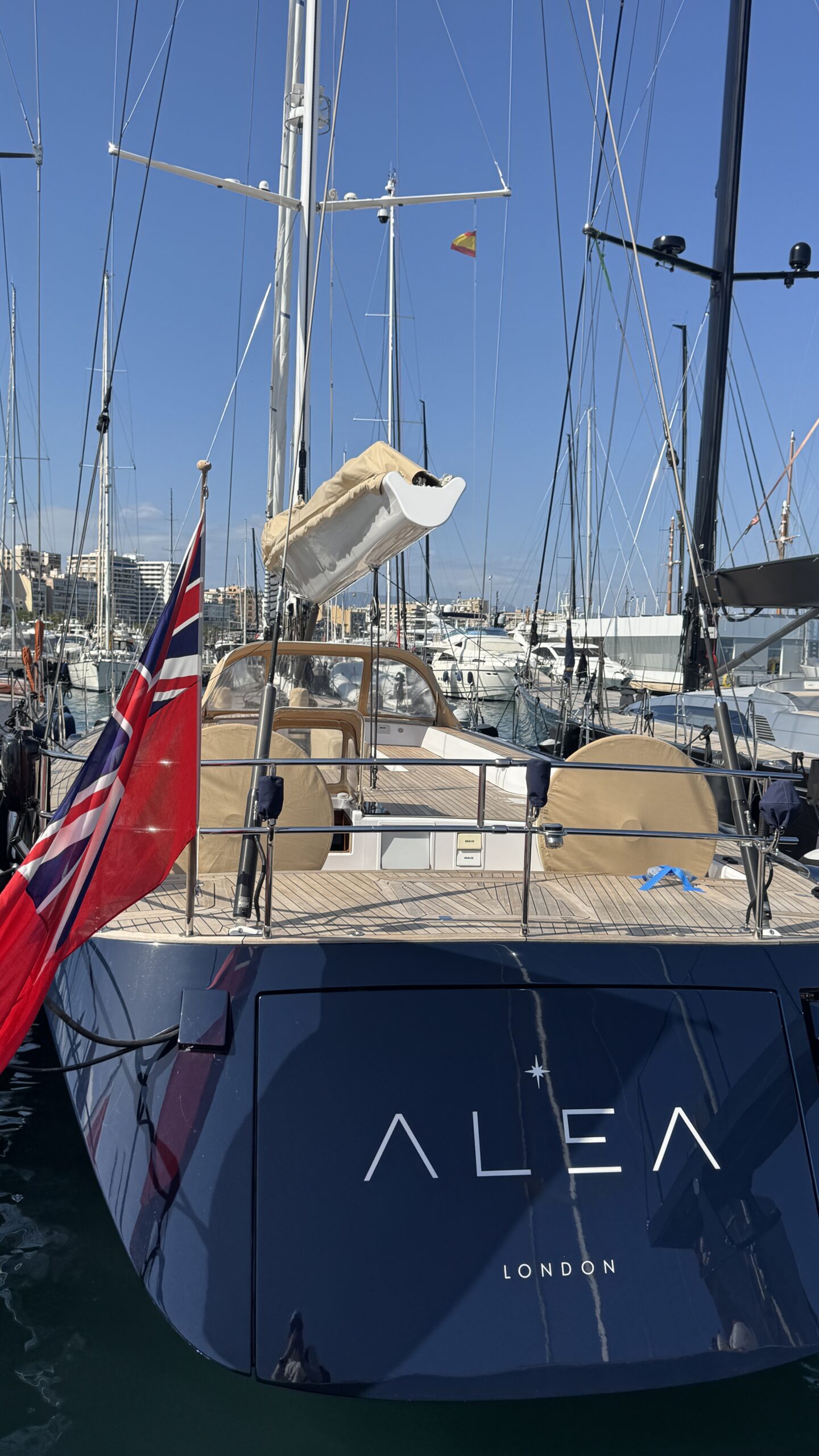
So when I was asked to join the delivery of our owner’s Swan 90 from Palma to northern Sardinia, I didn’t hesitate.
Part of the excitement was professional. I enjoy stepping onto a new boat. Thirty years at sea has taught me that every yacht is different, but the work is comfortingly familiar. New systems, new personalities, new routines, yet the same quiet objective: leave safely, arrive safely, take care of the boat and the people aboard her.
Part of it was deeply personal.
I had never spent meaningful time in Sardinia. I was looking forward to threading the Strait of Bonifacio for the first time, to seeing a new coastline rise from the sea, and, selfishly, to having a few uninterrupted days offshore with my sextant. Celestial navigation has become one of my favorite ways to pass a watch. There is something deeply satisfying about reducing the world to the sun, a few tables, a sharpened pencil, and a position line that quietly confirms where you are.
Mostly, though, I was simply ready to sail again.
Shipyards have a way of making you forget why you fell in love with boats in the first place. Everything is measured in lists, deadlines, invoices, and unfinished projects. Sailing strips all of that away. Once the dock lines are aboard and the harbor disappears astern, there is only the weather, the crew, and the sea between where you are and where you’re trying to go.
Our departure slipped by a day while we waited for a better weather window. The forecast between Mallorca and Sardinia wasn’t dangerous, only uncomfortable, and there was no prize for leaving early. Sometimes good seamanship is nothing more complicated than making coffee and waiting twenty four hours.
Saturday morning arrived with blue skies and easy forecasts.
I loaded my bag onboard, found my cabin, stowed my books, my journal, and the sextant where I knew I’d reach for them later.
Every trip begins the same way.
You wonder what you’ve forgotten.
You check the weather one more time.
You walk the deck without really looking for anything in particular.
Then, almost without noticing, someone slips the last dock line.
Palma begins to drift away.
II. Leaving Home
I’ve sailed away from plenty of places over the years.
Newport. New York. San Diego. Seattle. Bermuda. St. Maarten. Nantucket. Antigua. Qingdao. Bangkok. And now Palma.
Leaving had become familiar, almost mechanical. Cast off the lines. Clear the harbor. Settle into the rhythm of the passage. Before long, the place behind you becomes another point on the chart.
I expected this departure to feel the same.
It didn’t.
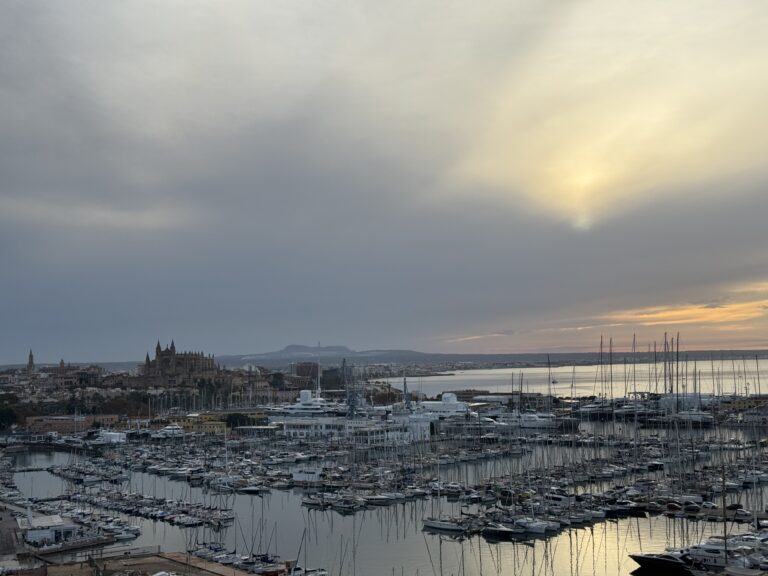
As we left the bay of Palma and turned east, Mallorca slowly began to flatten into the horizon. Bellver Castle disappeared first. The cathedral lingered longer than I expected, catching the morning light before eventually dissolving into the haze behind us. The Serra de Tramuntana became a faint blue outline, then disappeared altogether.
I kept finding excuses to look over my shoulder.
That surprised me.
For months I’d been counting the days until I could leave the shipyard and explore the Med. I missed the rhythm of passages, the quiet focus of watchkeeping, the simplicity of life offshore, where your world narrows to a compass heading, tomorrow’s weather, and the people aboard.
Yet as the miles slipped beneath the keel, I wasn’t thinking about Sardinia.
I was thinking about Mallorca.
Or more accurately, I was thinking about how little of it I’d actually lived.
When we visited in 2024, before deciding to move here, we explored constantly. We wandered mountain villages with names I couldn’t pronounce. We drove roads simply because they looked interesting. We’d stop for coffee, lose an afternoon, and call it a successful day. I was working remotely then, yet somehow I experienced more of the island as a visitor than I had after nine months of living here.
Life had quietly been reduced to:
Home.
Bike.
Marina.
Shipyard.
Home.
Repeat.
Friends still came for a long weekend and saw more of it than I had. A hidden cala. A village restaurant. A stretch of coastline I’d only ever admired on a chart.
I knew STP shipyard better than I knew my own island.
That realization settled over me more heavily than the sea ever could.
I hadn’t moved my family halfway around the world to spend my days chasing maintenance lists through the cold, wet Mallorcan winter only to emerge into the relentless heat of summer. Somewhere between arriving in September and sailing away in June, I’d quietly slipped back into a life I thought I’d left behind.
Work first.
Everything else later.
It wasn’t anyone else’s fault.
The people are great. The work is rewarding. The opportunity is exactly the sort of opportunity I’d hoped moving to Mallorca would create.
But somewhere along the way, I’d confused making a living with building a life.
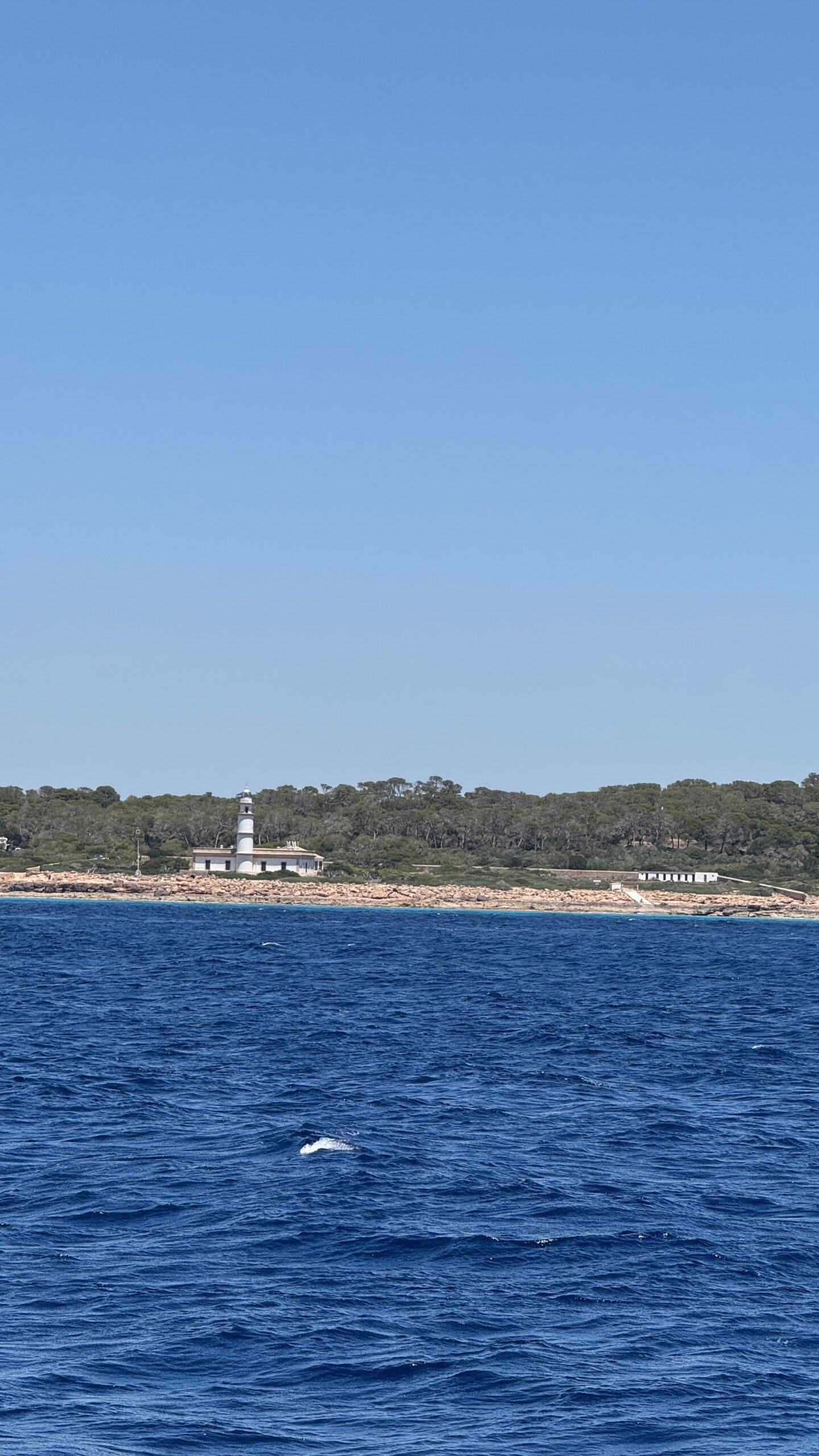
The southern coast of Mallorca slipped by off our port side, and for the first time I found myself really seeing it. The impossibly clear water off Es Trenc. The low dunes giving way to rugged coastline farther east. Cliffs I’d never stood beneath. Anchorages I’d never dropped into. Places that had become familiar names on charts but were still strangers to me.
It was all home.
I just hadn’t been living it.
That evening, after my first watch, I opened my journal and wrote:
I live here.
Not moving here.
Not visiting.
I live here.
Reading it back a few minutes later, I realized why I couldn’t stop looking behind us.
For the first time in a very long time, sailing away didn’t feel like the beginning of another adventure.
It felt like leaving home.
I stayed on deck until the last trace of Mallorca disappeared into the Mediterranean haze.
Only then did I turn toward Sardegna.
III. Offshore
The first day offshore is always the longest.
No one really sleeps.
You’re too busy replaying the departure in your head, wondering what you forgot, mentally walking through every locker and lazarette one more time. Did we secure the dinghy? Did someone remember the spare filters? Was that noise in the engine room there before we left, or am I imagining it?
The sea has a way of answering those questions eventually.
By late afternoon we’d settled into our watch rotation. Three hours on. Six hours off. Long enough to feel rested. Short enough that no one ever really was.
The weather couldn’t have been kinder.
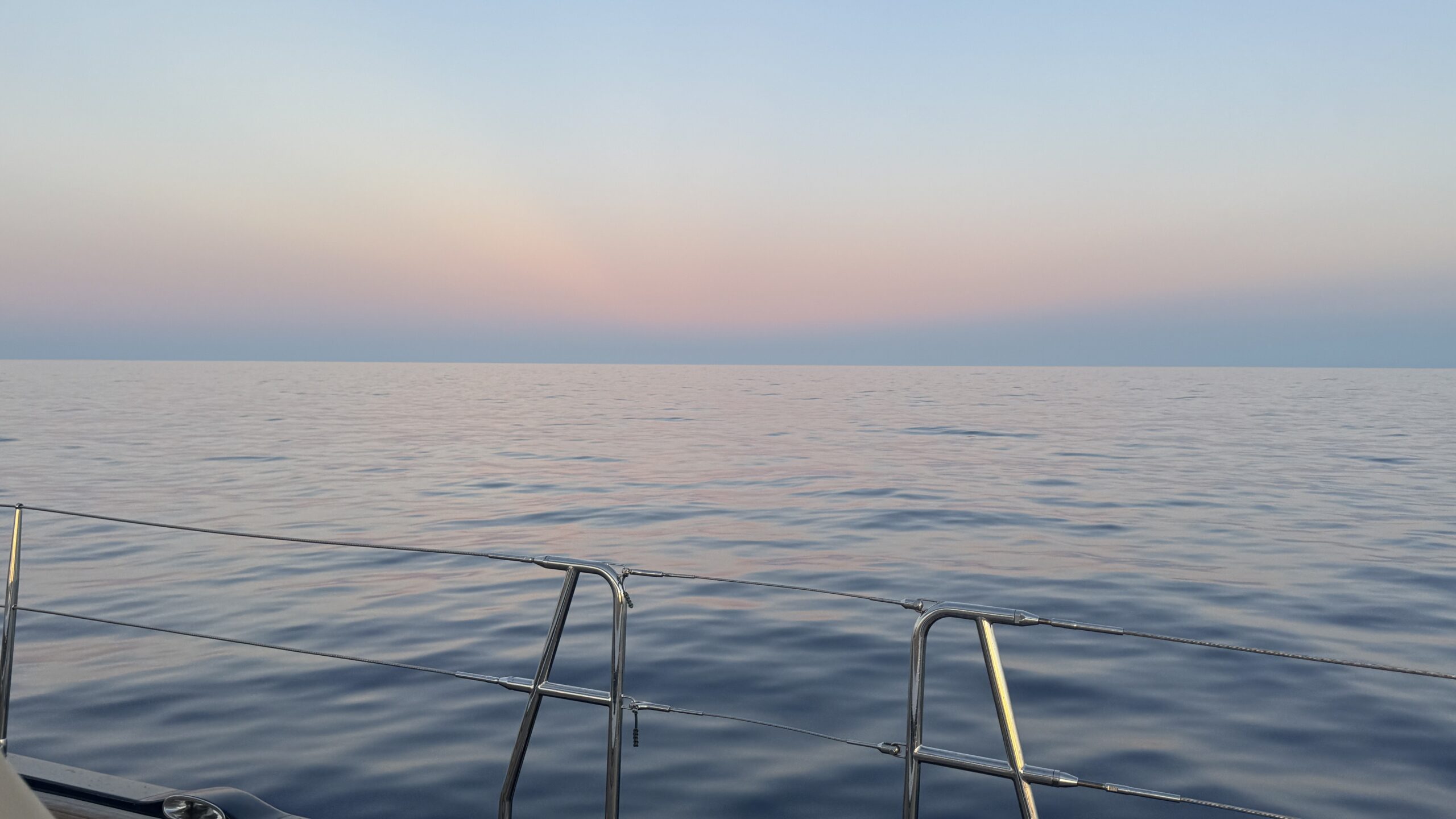
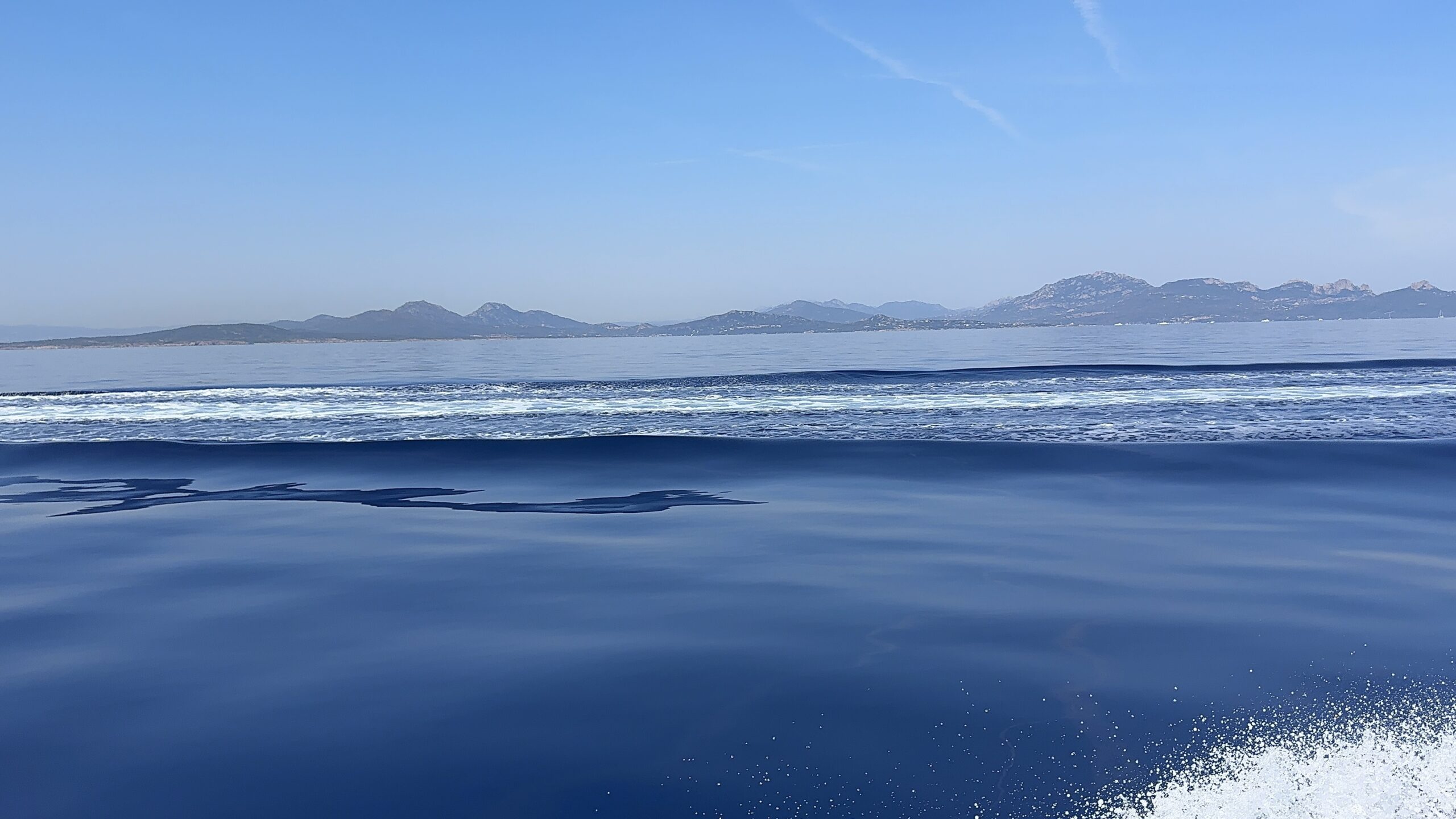
The forecast that had delayed us a day never materialized. The Mediterranean lay almost perfectly flat, interrupted only by the gentle wake curling away from the stern. There wasn’t enough wind to justify raising sail, so we settled into the quiet hum of the engine and pointed the bow toward Sardinia.
It wasn’t the passage I’d imagined.
It was the passage I needed.
When my watch ended, I made coffee and carried it aft with my journal tucked under one arm. There was no point trying to sleep yet. My body was still back in Palma, convinced it had another full day’s work ahead of it.
Instead, I wrote. Not anything profound.
Just observations.
The impossible blue that only seems to exist in the Mediterranean.
The way dolphins appear out of nowhere, as if they’ve simply stopped by to say hello.
My almost bizarre obsession with the smell of warm diesel, salt air, and fresh coffee mingling together. If Jenny would ever approve, I think I’d bottle it as a candle. It smells like going to sea.
Eventually I pulled the sextant from its case. I enjoy celestial navigation. Not because it’s practical. It isn’t. I love it because it reminds me that there was once a time when sailors had to earn their position. A noon sight, a few pages of calculations, an intercept, a position line, and eventually the math and the horizon quietly agree. Modern GPS can tell me where I am in a fraction of a second, but it has never given me the same satisfaction as arriving at the answer myself.
The rest of the day passed the way offshore days usually do.
Stand watch.
Eat.
Write.
Read a chapter.
Check the engine room.
Top up your water bottle.
Stand another watch.
Try to sleep.
Wake up feeling as though you’ve slept for twenty minutes when in reality it’s been four hours.
Repeat.
The horizon never changed.
Sea.
Sky.
A faint line where one became the other.
Occasionally another ship appeared on the AIS, twenty miles away, gliding silently across the screen before disappearing again. Sometimes we’d catch a glimpse of her hull on the horizon. More often, she’d remain nothing more than a name, a course, and a CPA.
It didn’t matter.
For those first twenty four hours, our world had become wonderfully small.
Five people. One boat. An endless horizon.
Nothing else demanded our attention.
IV. Night Watches
I’ve never understood people who dread the night watch.
Yes, you’re tired.
Yes, your body would rather be asleep.
But there is something about standing alone on deck while the rest of the boat sleeps that feels increasingly rare in modern life.
No emails.
No meetings.
No notifications.
Just the responsibility of keeping a boat, and the people asleep below, safely moving through the dark.
My first watch began just before midnight.
There wasn’t a breath of wind.
We were still motoring, the engine settling into the sort of steady rhythm that eventually disappears into the background. The Mediterranean was almost perfectly flat. The only sound was the gentle hiss of water slipping past the hull.
There was no moon.
Only stars.
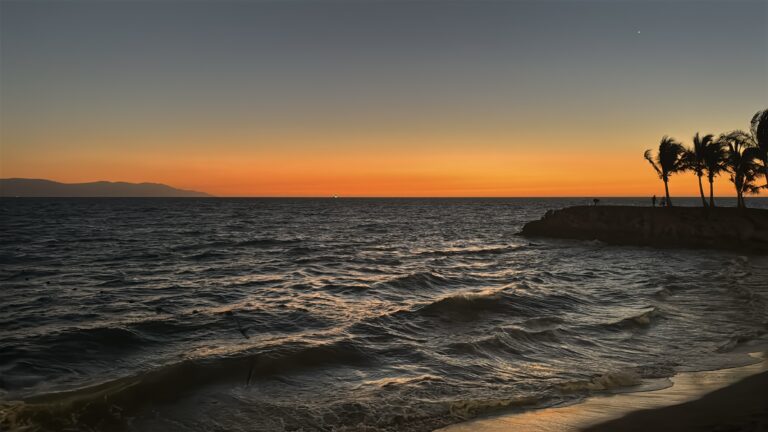
I’d timed this trip well without meaning to. We had departed during a new moon, and with no light pollution anywhere on the horizon, the sky became something almost impossible to describe. There weren’t stars scattered across a black sky. There were so many stars that the darkness itself seemed to disappear. Every time I looked up, another constellation emerged from behind the thousands I’d missed a moment before.
The deck was soaked.
People imagine summer sailing as warm and dry. Offshore, it rarely is. Long before dawn the dew settles over everything. Every handrail, every line, every hatch, every inch of teak is soaking wet, as if we’d been sailing through a steady rain for hours. By the end of my watch my foul weather gear was damp, my shoes were soaked through, and I couldn’t have cared less.
It felt exactly as it should.
Every now and then I would glance at the radar, then back at the horizon, searching for lights that weren’t broadcasting on AIS. Most of the time there was nothing.
Just sea.
Just stars.
Just enough engine noise to remind me we were still moving.
Then, every few minutes, another satellite crossed overhead.
Not the slow, lonely satellites I remembered from years ago.
Entire strings of Starlink satellites.
One after another.
Perfectly spaced.
Silently stitching themselves across the night sky.
They fascinated me.
Part of me admired what they’d made possible. I could send Jenny a message from the middle of the Mediterranean. I could sit on the aft deck with a cup of coffee and join Coco for breakfast, even while we were hundreds of miles offshore. That still feels like a kind of miracle.
Another part of me wondered what we’d traded for that miracle.
The sky hadn’t changed.
We had.
Standing there alone, watching satellites pass over the same stars sailors have used for thousands of years, I found myself thinking about Don Blanding’s idea of the double life.
I’d carried that essay around for years because it always felt as though he’d somehow written it for me.
Half of me wanted to be exactly where I was.
Cold.
Wet.
A little tired.
Crossing an open sea toward a place I’d never really known.
The other half wanted to be home.
Not somewhere else.
Home.
Curled up with a journal.
Making coffee before anyone else woke up.
Watching my daughter grow up one ordinary morning at a time.
I don’t think either life is more authentic than the other.
They’re both mine.
The challenge has never been choosing between them.
It’s been learning which one deserves more of my time.
The stars offered no answers.
But somewhere between midnight and dawn, with nothing around me but the Mediterranean and a sky full of ancient light and modern satellites, it felt like I had finally begun asking the right question.
V. Landfall
By the third morning the horizon finally began to change.
At first it was only a suggestion.
A darker line beneath the sky.
Then cliffs.
Then the unmistakable shape of land.
Sardinia.
It’s always remarkable how quickly your world expands after days at sea. For nearly three days our universe had been five people, one boat, and an empty horizon. Suddenly there were fishing boats. Ferries. Sailboats. AIS targets multiplying across the chartplotter. VHF chatter in Italian and French. Harbors. Headlands. Decisions.
The solitude of the passage gave way to the work of arrival.
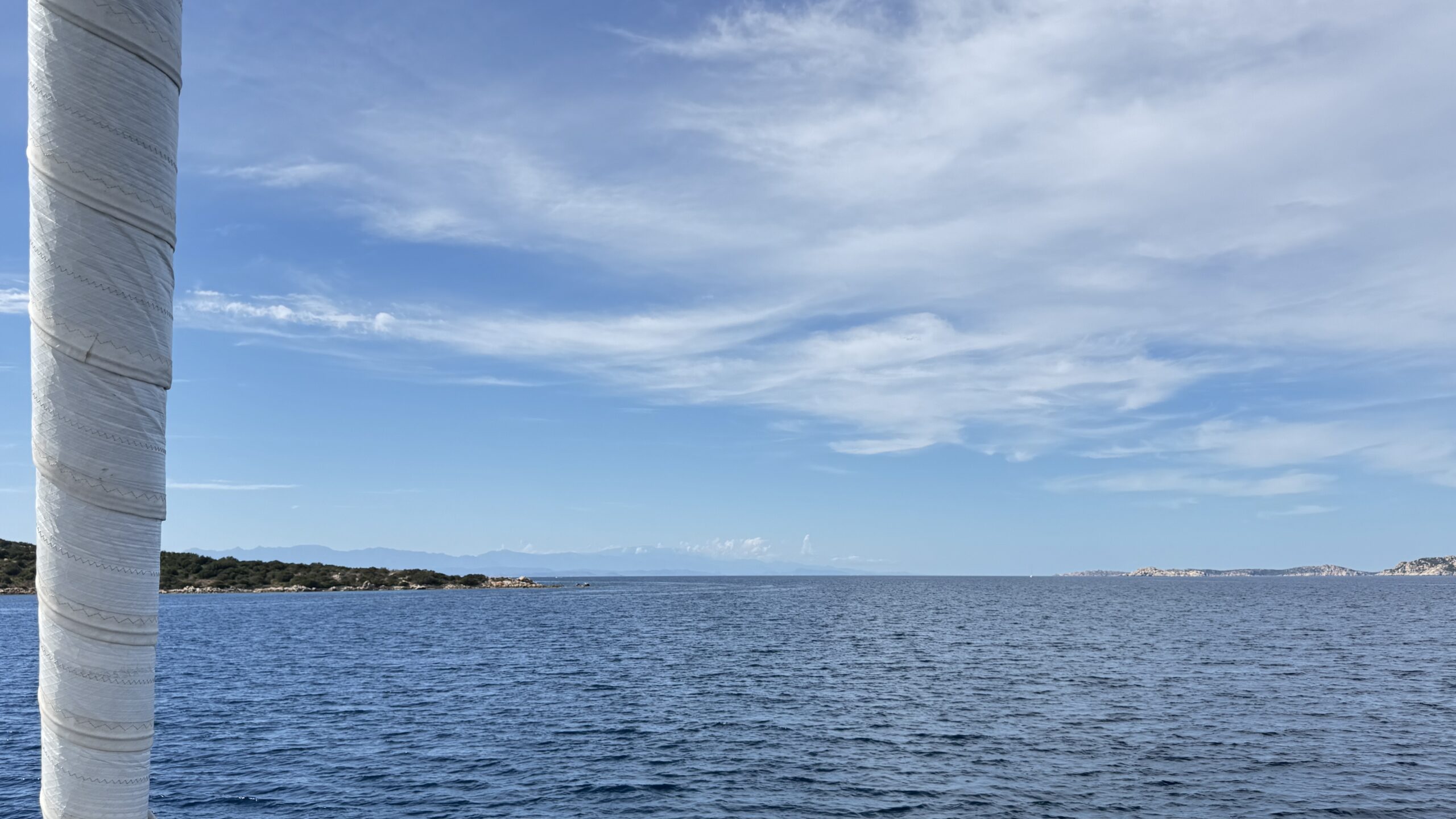
My final night watch carried us through the Strait of Bonifacio, with France and the island of Corsica off the port side and Italy, with the island of Sardinia, off my starboard side.
I’d crossed oceans, rounded capes, and threaded plenty of narrow channels over the years, but somehow I’d never sailed Bonifacio. It had lived on charts and in sailing magazines for decades. Now it was sliding past the lifelines, illuminated only by navigation lights and the occasional glow from distant villages perched high above the water.
The wind, absent for most of the passage, finally remembered where we were.
Traffic picked up.
Nothing dramatic.
Just enough to keep me fully awake.
By 0200 we rounded the northern tip of Sardinia and headed into Porto Liscia.
We dropped the hook.
Engine off.
Silence.
Straight to bed.
The next morning everyone understood the rhythm. You clean up your cabin. Wash down the boat. Wipe the salt from the stainless. Flake the sails and put them away. Slowly, the boat begins to look as though it never left the dock.
I’ve always enjoyed that part.
No one assigns the jobs.
The captain notices one thing.
The mate notices another.
I notice something else.
Years of doing this have taught us the same lesson. Boats don’t become ready because someone tells you what to do. They become ready because everyone quietly notices what needs doing.
By midday she looked ready for another season.
My delivery was almost finished.
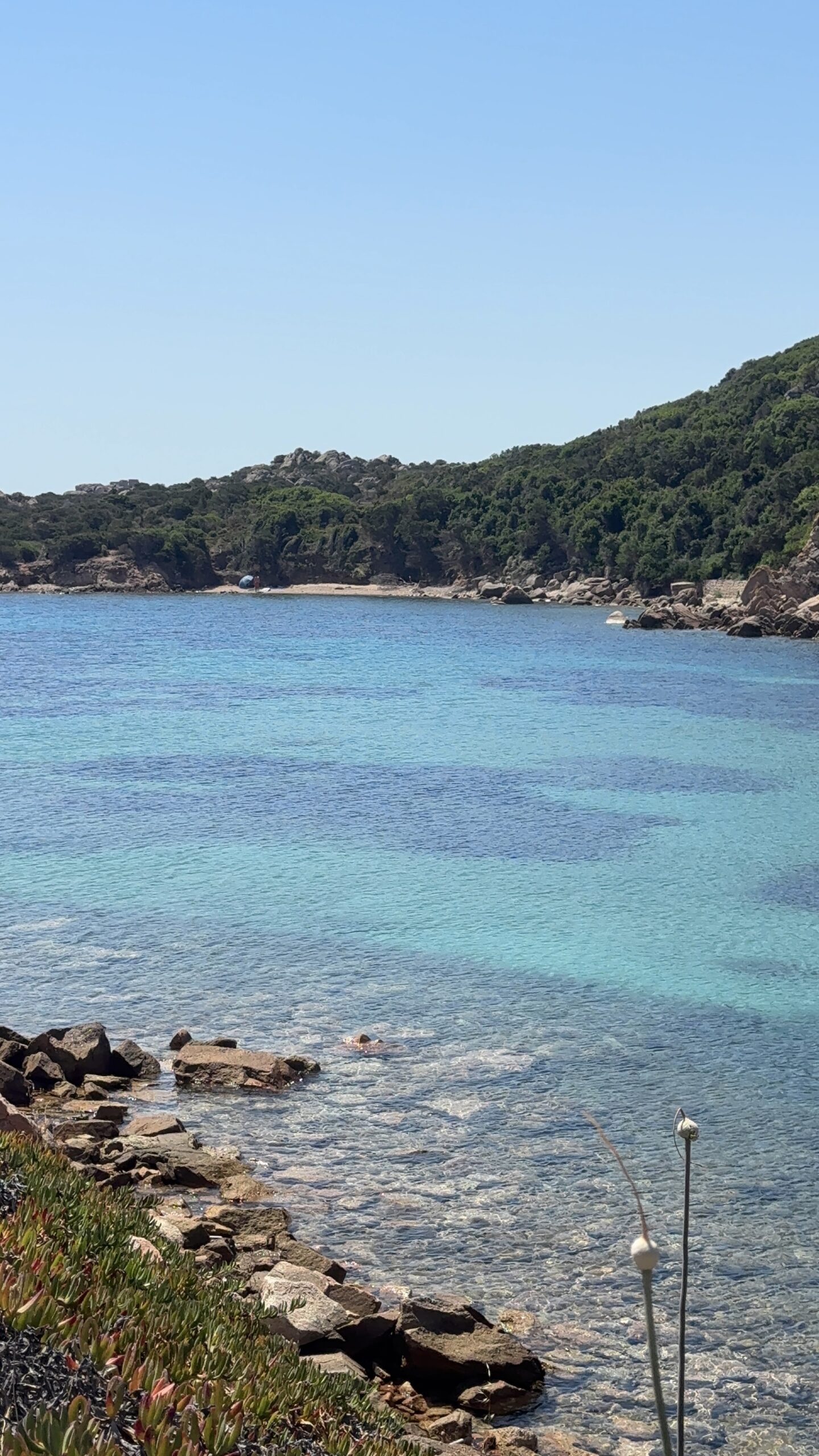
That afternoon we picked up the anchor one last time, at least for me, and made the short hop to La Maddalena, where she’d spend the month of June. Compared to the passage from Palma it barely counted as a voyage, but it was enough to trade the open Mediterranean for granite islands, sheltered anchorages, and some of the clearest water I’d ever seen.
We secured the boat, shook hands, and my role changed almost without ceremony.
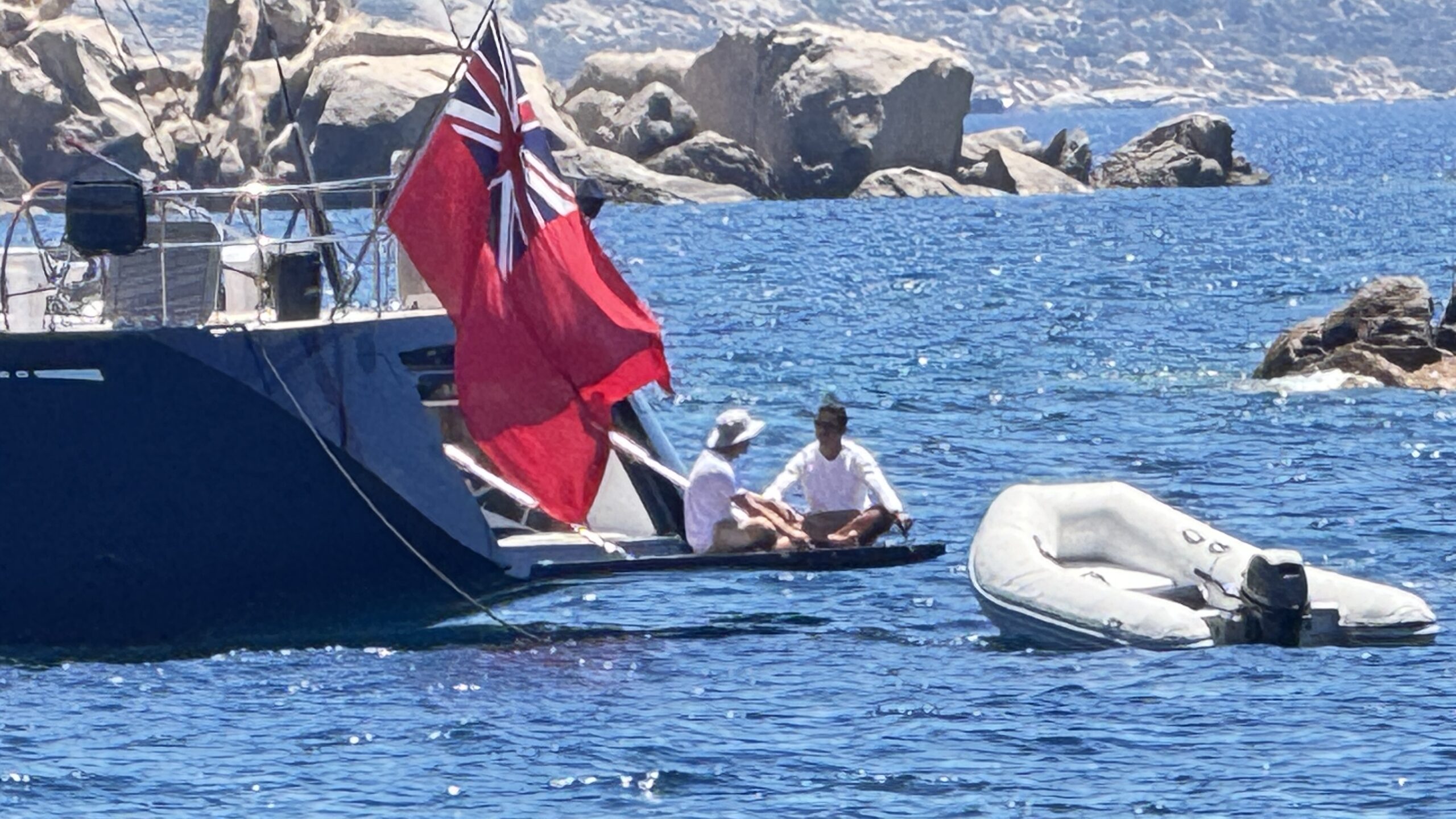
I packed my sea bag, slung it over one shoulder, grabbed the crew bag with the other, and climbed into the tender for the short ride ashore.
Waiting on the dock was another captain I’d be working alongside for the next month.
And one very small Italian scooter.
Between the two of us we had four bags, enough gear for a month, and absolutely no dignified way to transport any of it.
It was the perfect introduction to Sardinia.
VI. La Maddalena
The scooter should never have worked.
Two grown men.
Four bags.
One tiny Italian scooter that looked better suited for delivering pizzas than transporting captains.
Somehow we made it.
Slowly.
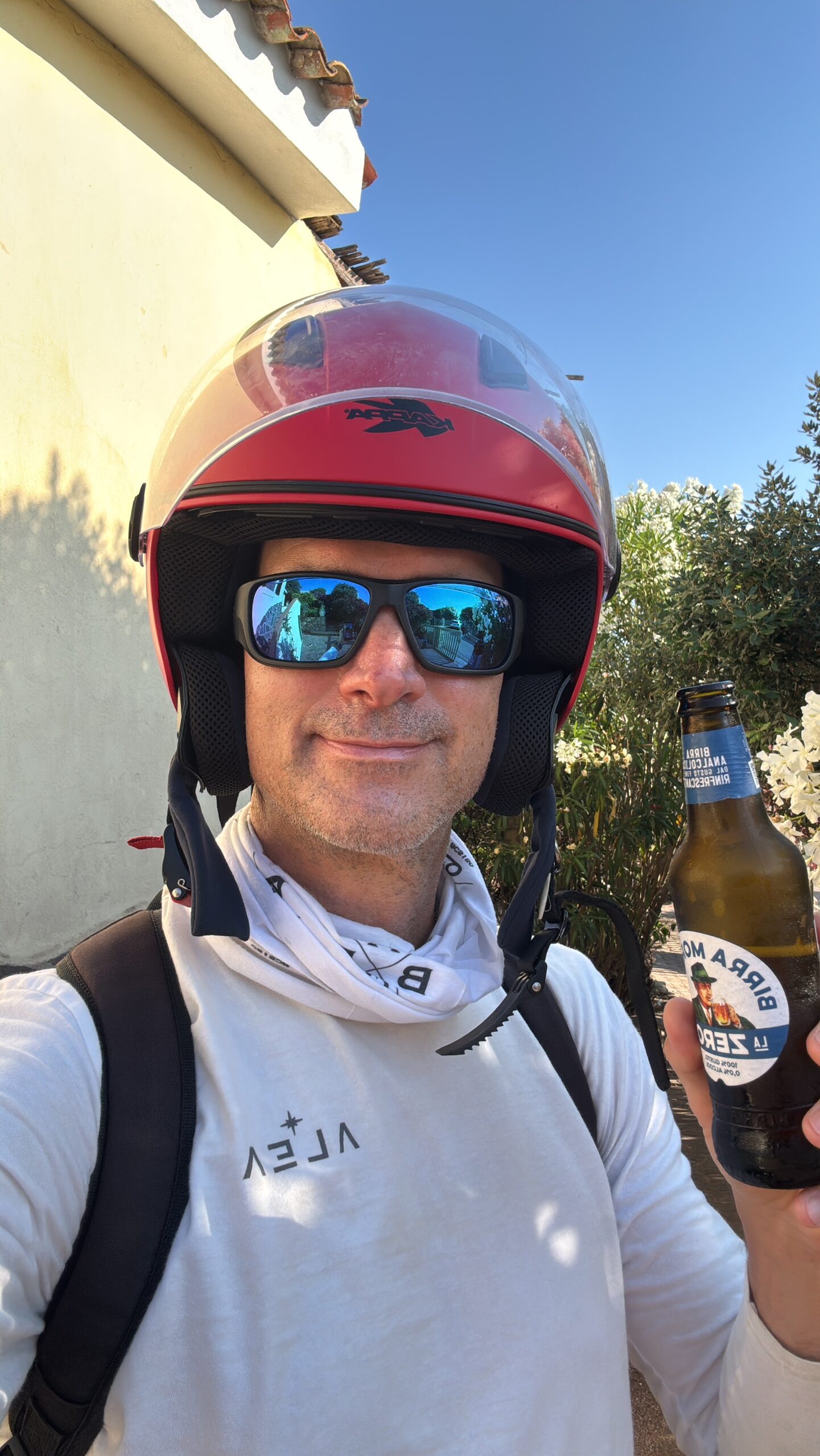
Our home for the next month sat just outside town. Rustic is probably the best way to describe it. There wasn’t much to it. A small kitchen. Simple furniture. Just enough space to sleep, eat, and head back out the next morning.
It turned out to be exactly what I needed.
Every morning began the same way.
I’d wake before sunrise, step outside, and make coffee over a small gas burner with a battered aluminum moka pot. I’ve always loved coffee, but there was something about that little ritual that made it taste different. Maybe it was the quiet. Maybe it was the sea air. Or maybe coffee just tastes better when your only plan for the day is to go boating.
Breakfast was simple.
The ride to the marina took a few minutes.
Then we’d spend the day doing what we’d come there to do.
Driving boats.
Fueling.
Cleaning.
Picking up guests.
Dropping them off for the day.
Running back to the dock for forgotten towels, extra ice, or whatever else someone suddenly realized they couldn’t live without.
It wasn’t glamorous.
It was just…yachting.
The kind of work that leaves you exhausted.
Toward the end of the month I finally found time for a run. I left the villa without a plan and simply followed the road toward town. Running has always been my favorite way to understand a place. You move slowly enough to notice things but quickly enough to cover some ground. It feels less like sightseeing and more like wandering with purpose.
It reminded me a little of Nantucket before everything became polished. Boats still looked like they were used. People looked like they worked for a living. Nobody seemed interested in impressing anyone.
I ended up at a little café, ordered a nonalcoholic beer, opened my journal, and watched the afternoon go by. I wasn’t doing anything productive, which, if I’m honest, felt a little uncomfortable at first. Somewhere between finishing my drink and writing another page in my journal, that feeling disappeared.
I realized I didn’t need much.
A small place to stay.
Good coffee.
A run.
Work I enjoyed.
Time to write.
For a long time I’d thought simplicity was something you settled for.
La Maddalena quietly taught me it was something you could choose.
And that those are two very different things.
The little house.
The scooter.
Coffee from a moka pot.
A notebook.
A daily run or swim.
None of it felt like deprivation.
It felt like freedom.
VII. Home Is Ahead
I used to think I wanted more passages.
Longer ones.
Farther ones.
More oceans.
More miles.
For most of my life, that’s how I measured it.
Where I’d been.
What I’d crossed.
What came next.
Somewhere between Palma and Sardinia, that quietly changed.
Not because I loved sailing any less. I didn’t. I still can’t imagine a life without it. But for the first time, I found myself looking forward to going home more than planning the next departure.
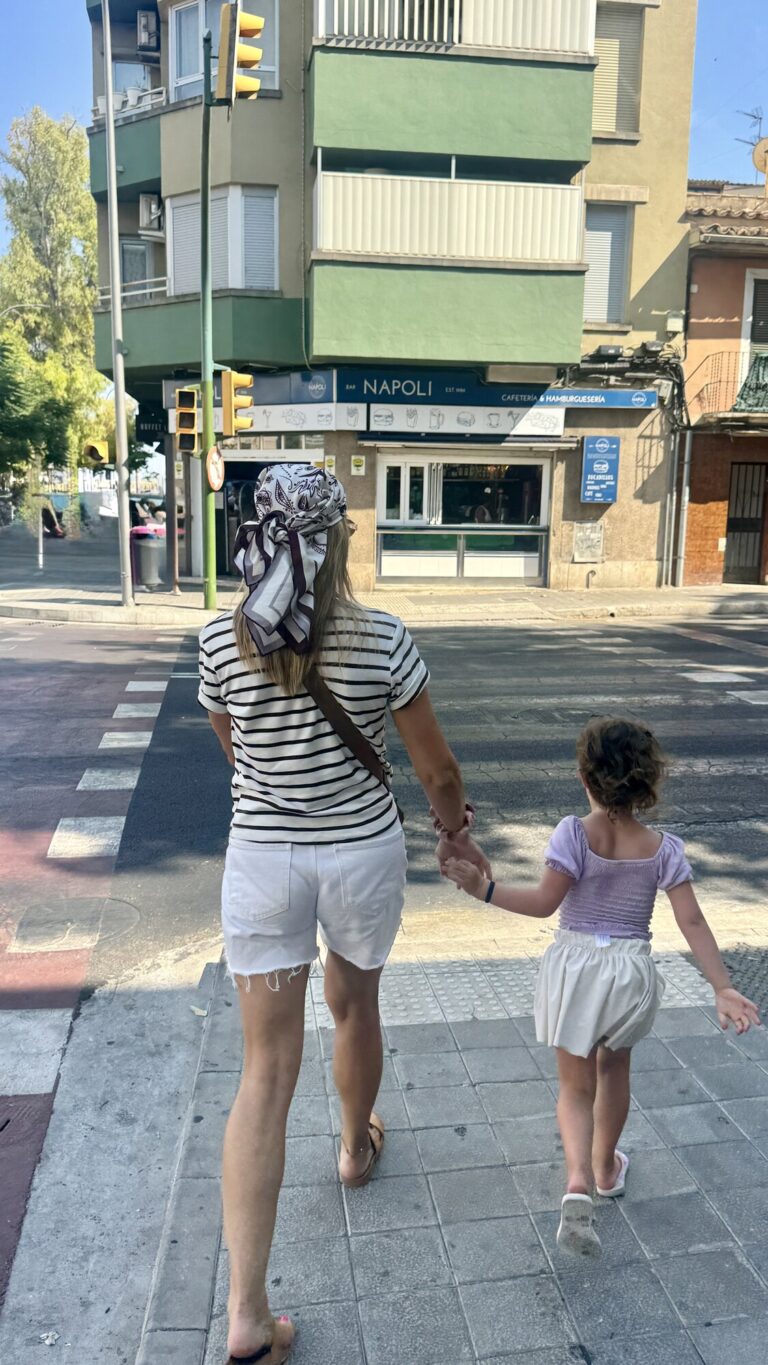
Most evenings I’d video call Jenny and Coco. Sometimes they were walking through Palma. Sometimes they were at the playground. Sometimes Charlotte wanted to tell me every single thing that had happened at school that day before racing off to whatever held the attention of a four-year-old for the next five minutes.
They weren’t waiting for me to come home from an adventure.
They were already home.
And for the first time in my life, so was I.
When my month in Sardinia came to an end, I wasn’t thinking about where I’d sail next. I was thinking about getting back to Mallorca.
Back to morning coffee.
Back to family dinners.
Back to speaking Spanish, even if I still made mistakes.
Back to writing.
I’d carried journals for most of my life. The difference now was that I finally knew why.
I wasn’t writing to remember the voyages.
The voyages were giving me something worth writing about.
Between Two Seas had started as an idea, a place to collect stories before they disappeared into old logbooks and fading memories. Somewhere along the way it became something else.
It became the thing I couldn’t wait to get back to.
For years I’d described myself as a sailor who liked to write.
Somewhere between Palma and Sardinia, without really noticing it, I’d become a writer who sails.
And that changed everything.
VIII. Palma Again
A few days later I was back in Olbia.
I’d booked a hotel before my flight home, and after several weeks in a rustic villa and another week aboard the Swan, it felt almost absurd. A hot shower that lasted as long as I wanted. Crisp white sheets. Furniture. Someone else making breakfast.
For the first time in weeks, I didn’t have to take care of anything.
I just rested.
The next morning I carried my one bag into the airport, checked in for my flight through Barcelona, and settled into a window seat.
Somewhere over the Mediterranean I did what I’ve been doing on airplanes for nearly twenty-five years.
I opened my journal.
Flying has always done something to me. Maybe it’s the white noise. Maybe it’s the anonymity. Maybe it’s knowing that for a few hours there’s nowhere to be except exactly where you are. Whatever it is, airplanes have always been one of the few places where I can think clearly enough to write.
I started reading back through the pages from the passage.
The excitement before departure.
The night watches.
The realization that I’d been treating Mallorca like a place I worked instead of a place I lived.
Then I stopped on a sentence I’d written somewhere in the middle of the trip.
I’m not building the life I want to live.
I’m building someone else’s.
I sat with those words for a long time.
Sixteen and eighteen hour days have a way of narrowing your world. You become consumed by the next job, the next guest, the next maintenance list, the next crossing. It’s rewarding work. Honest work. But somewhere along the way I’d started organizing my life around everyone else’s priorities.
That wasn’t the life Jennifer and I had moved halfway around the world to build.
Another realization found me before we landed.
For most of my adult life, sailing had been the thing that satisfied the restless part of me. If too much time passed between voyages, I could feel it. I’d start looking at charts, reading passage reports, planning the next crossing.
Now, somewhere over the Mediterranean, I realized that feeling had changed.
It wasn’t sailing I needed.
It was movement.
A ferry.
A train.
An airplane.
A road trip with Jenny and Coco.
The Traveling Tres.
It turns out that wandering doesn’t always require a boat.
By the time I landed in Palma, I wasn’t arriving from a trip.
I was coming home.
I caught myself walking the streets without thinking about where I was going. I already knew which café I’d stop at, which route I’d take back to the apartment, which bakery I’d pass on the way. The city had quietly become part of me while I was busy living in it.
Nine months earlier we’d arrived with a handful of suitcases, a three-year-old, and a plan that felt equal parts exciting and terrifying.
Now I was simply coming home to my family.
The sea had carried me from Palma to Sardegna.
But that wasn’t the voyage that changed me.
The longer journey had happened much more quietly.
It was learning that the place I’d spent most of my life searching for wasn’t somewhere else.
It was the place I couldn’t wait to return to.
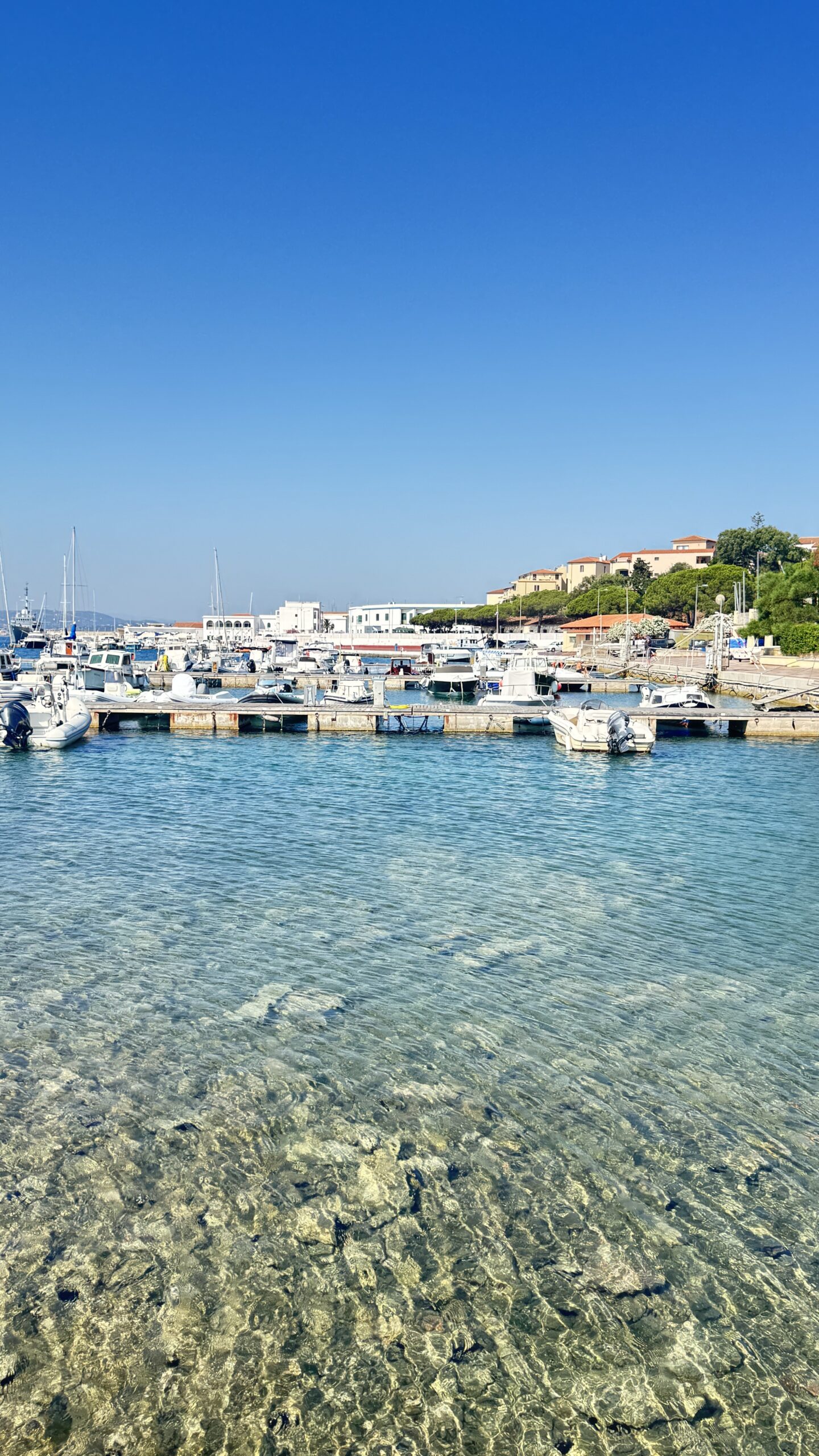
Stories tell you what a place felt like. Guides tell you how to experience it yourself. If you’re planning a trip to Sardinia or La Maddalena, I’ve shared everything I learned, from where to stay to the places I’d return to tomorrow.
Written underway, somewhere between Mallorca and Sardegna.
354 nautical miles from departure.
39°21.8′N · 08°47.2′E